
Most people know the artichoke as a vegetable — the spiny, architectural thing you steam and dip in butter. Fewer people know that the leaf of the artichoke plant, Cynara cardunculus, is one of the most well-researched herbs in European phytomedicine, with a specific, documented mechanism that supports liver function, bile production, and fat digestion.
Artichoke leaf extract and the cooked artichoke heart are not the same thing. The edible portion has little medicinal value. It’s the leaf — bitter, inedible, and loaded with active compounds — that does the therapeutic work.
What Makes Artichoke Leaf Different from the Vegetable
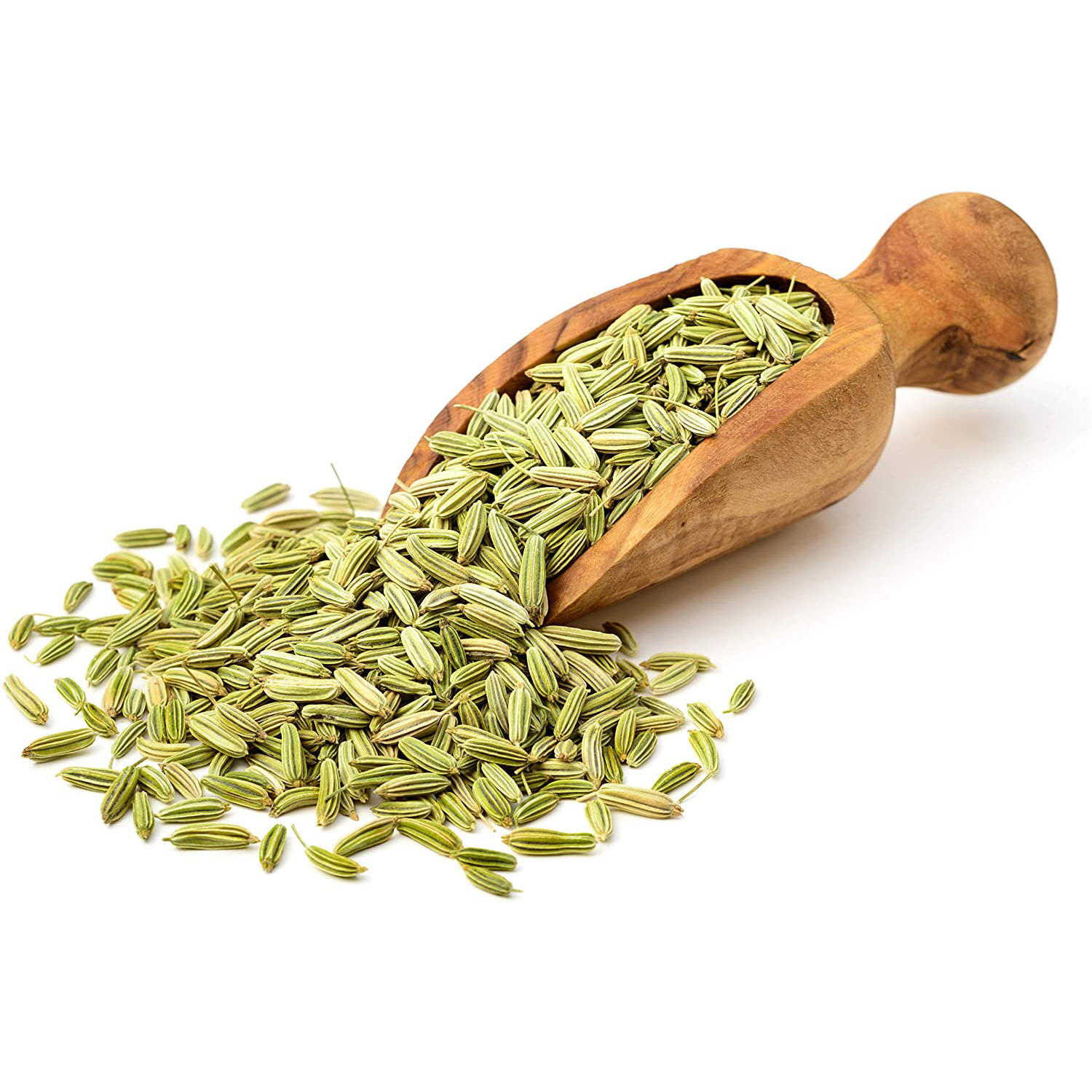
Artichoke leaf extract works with bitter herbs to support liver function and healthy bile flow
Artichoke leaf extract is derived from the green leaves of the artichoke plant, not the edible heart or flower head. The leaves contain significantly higher concentrations of the active compounds responsible for artichoke’s documented effects:
Cynarin (1,3-dicaffeoylquinic acid) — The primary active compound. Cynarin is what gives artichoke leaves their intensely bitter taste, and it’s the compound most directly associated with bile stimulation and liver support. Cynarin is present in much lower concentrations in the cooked vegetable.
Chlorogenic acid — A polyphenol with antioxidant properties that’s also abundant in coffee. In artichoke leaf, chlorogenic acid contributes to liver protection and has been studied for its effects on blood glucose and cholesterol.
Luteolin — A flavonoid with anti-inflammatory properties that may contribute to artichoke’s liver-protective effects.
Caffeic acid and other phenolic acids — Supporting the antioxidant and anti-inflammatory profile of the extract.
How Artichoke Leaf Extract Works
Artichoke leaf’s effects operate primarily through two mechanisms:
1. Bile Stimulation (Choleretic Effect)
Cynarin directly stimulates bile production in the liver and promotes bile secretion into the small intestine from the gallbladder. This is what pharmacologists call a choleretic effect — increased bile synthesis and output.
Why does this matter?
Bile is essential for fat digestion. Without adequate bile, dietary fats pass through the small intestine poorly absorbed. This can cause loose stools, fat-soluble vitamin deficiencies (vitamins A, D, E, and K all require fat and bile for absorption), and the general sluggishness that follows high-fat meals.
Sluggish bile production and flow is more common than most people realize, particularly in people who:
– Eat a lower-fat diet (the gallbladder needs regular stimulation to stay functional)
– Have had their gallbladder removed
– Have a genetic predisposition to poor bile production
– Are over 50
Artichoke leaf extract is one of the most directly studied natural choleretics available, with multiple clinical trials demonstrating its ability to increase bile flow in humans.
2. Liver Protection (Hepatoprotective Effect)
Several compounds in artichoke leaf extract — including cynarin, chlorogenic acid, and luteolin — have demonstrated hepatoprotective (liver-protecting) properties in research. The proposed mechanisms include:
- Antioxidant activity that reduces oxidative stress on liver cells
- Anti-inflammatory effects that may reduce low-grade liver inflammation
- Support for the liver’s regeneration processes
The liver performs over 500 functions in the body, including filtering blood, producing bile, metabolizing medications and toxins, and synthesizing proteins. Chronic low-grade liver stress from alcohol, processed food, medications, or environmental exposure is increasingly common, and artichoke leaf is one of the better-studied natural supports for liver function.
Clinical Evidence for Artichoke Leaf Extract
The research on artichoke leaf extract is more robust than for most herbal supplements:
Functional dyspepsia: A randomized controlled trial published in Alimentary Pharmacology & Therapeutics found that artichoke leaf extract significantly reduced symptoms of functional dyspepsia — including post-meal bloating, nausea, abdominal pain, and fat intolerance — compared to placebo. The effect was clinically meaningful.
Cholesterol: Multiple studies have examined artichoke leaf extract’s effect on blood lipid levels. A systematic review found consistent evidence for modest reductions in total cholesterol and LDL cholesterol, with the effect likely mediated through bile acid metabolism.
Irritable Bowel Syndrome (IBS): A large open-label study of patients with IBS found that artichoke leaf extract significantly reduced IBS symptom severity, with most patients reporting improvement in bloating and bowel regularity.
Liver enzymes: Some clinical studies have found that artichoke leaf extract reduces elevated liver enzymes (ALT, AST) in patients with nonalcoholic fatty liver disease, suggesting a hepatoprotective effect in this common condition.
Artichoke Leaf vs. Milk Thistle: What’s the Difference?

Hildegard’s Bitters Tablets include artichoke leaf extract as part of a complete herbal digestive formula
Both artichoke leaf and milk thistle are used for liver support, and the confusion between them is common. They work differently:
Milk thistle (Silybum marianum) contains silymarin, which primarily works as an antioxidant to protect liver cells from damage. It’s the go-to herb for liver protection in the context of alcohol use or toxic exposure.
Artichoke leaf works primarily through bile stimulation and cholesterol metabolism. It’s more relevant for sluggish digestion, fat intolerance, elevated cholesterol, and functional GI complaints.
They are complementary, not interchangeable. Many traditional European bitter formulas include both.
How to Take Artichoke Leaf Extract
Artichoke leaf extract is available as a standalone supplement in capsule or tablet form, and as an ingredient in digestive bitters formulas.
As a standalone supplement: Look for extract standardized for cynarin content, typically 15–25 mg cynarin per dose. Take before meals for digestive support.
As part of a bitters formula: In a bitters tablet, artichoke leaf works synergistically with gentian root (which provides the primary bitter stimulation) and ginger (which supports motility). The three herbs together address the full digestive chain more completely than artichoke alone.
Important: Artichoke leaf is bitter. In a tablet meant to dissolve on the tongue, the bitter taste is part of the mechanism — it contributes to the cephalic phase digestive response. If you’re taking artichoke leaf extract in a capsule that’s swallowed whole, you’re losing part of the benefit.
Who Should Be Cautious with Artichoke Leaf
- People with gallstones: Artichoke leaf stimulates bile flow, which may cause biliary colic (pain) in people with gallstones. Consult a healthcare provider before use.
- People who are allergic to plants in the Asteraceae/Compositae family (including ragweed, chrysanthemums, marigolds, and daisies): Cross-reactivity is possible.
- Pregnant or breastfeeding women: Insufficient safety data; consult a healthcare provider.
Artichoke Leaf in Traditional European Herbal Medicine
Artichoke has been used medicinally in Mediterranean Europe since ancient times. The Romans valued it as a luxury food and digestive aid. By the 16th and 17th centuries, artichoke extracts appeared in European pharmacopoeias as treatments for jaundice, liver complaints, and sluggish digestion.
Hildegard of Bingen, whose 12th-century herbal writings form the basis of the Hildegard’s Bitters formula, documented bitter herbs as essential for supporting “the warmth and motion of the body’s inner organs” — language that maps reasonably well onto what we now understand as liver and bile function.
The artichoke leaf in Hildegard’s Original Digestive Bitters Tablets follows this tradition directly: concentrated cynara extract, combined with gentian and ginger, in a dissolving tablet that delivers active compounds to taste receptors throughout the GI tract.
Related Reading
- Digestive Bitters for Bloating
- 18 Bitter Healing Plants
- Hildegard von Bingen’s Herbs
- How Digestive Bitters Work
- Shop Hildegard’s Bitters Tablets
Hildegard’s Original Digestive Bitters Tablets — with artichoke leaf, gentian root, and ginger — are available on Amazon. Dissolve on tongue before meals for full bile-stimulating and digestive enzyme support.
These statements have not been evaluated by the Food and Drug Administration (FDA). This product is not intended to diagnose, treat, cure, or prevent any disease.