


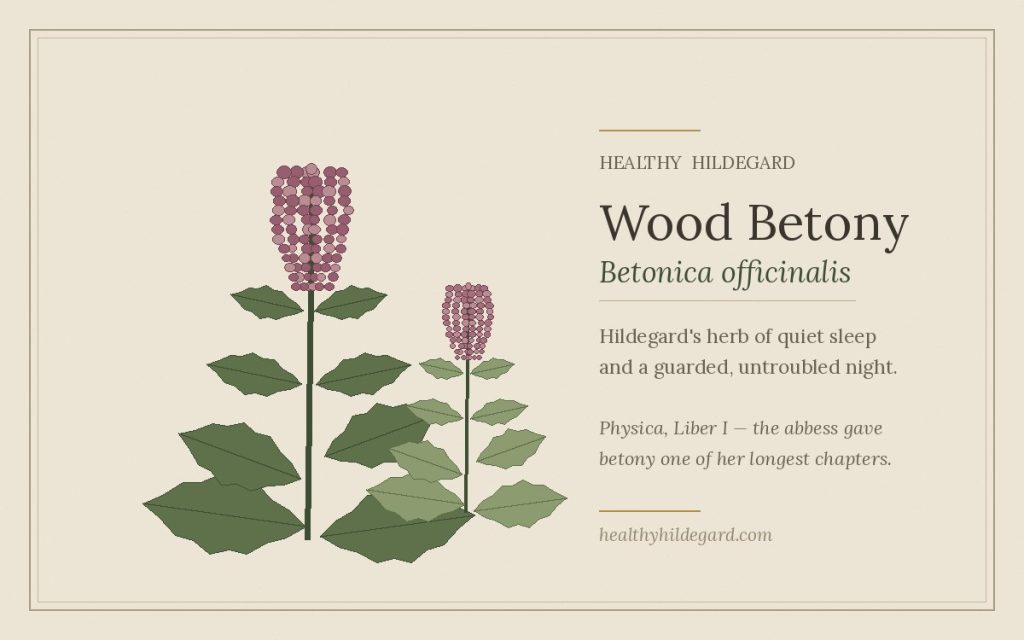
Wood Betony Benefits: Hildegard’s Herb of Sleep
Wood betony benefits were prized for fifteen centuries. Hildegard von Bingen gave the herb one of her longest Physica chapters – for sleep, reason and a guarded night.

Sage Benefits for Digestion: Hildegard’s Sun Herb
Sage benefits for digestion, read through Hildegard von Bingen’s Physica: why she called Salvia officinalis warm, dry and sun-fed, what its bitter principles do, and how discretio keeps its use in measure.

Bertram: Hildegard’s Forgotten Digestive Herb
Bertram, pellitory of Spain, was Hildegard von Bingen’s most-recommended digestive herb—a bitter, saliva-stirring root whose tradition lives on in bitters.

Mugwort: Hildegard’s Bitter Herb for Digestion
Mugwort is the bitter herb Hildegard von Bingen praised to warm the stomach and support digestion. Explore its history, traditional uses, and how to bring it to the modern table with Hildegard’s Bitters.

Galangal Benefits for Digestion: Hildegard’s Spice of Life
Galangal benefits for digestion run deep in Hildegard von Bingen’s Physica. The history and science of her warming “spice of life.”

Hildegard von Bingen’s Herbs: The 12th-Century Medical System That Modern Science Keeps Confirming
In 1150 CE, a Benedictine abbess in the Rhineland wrote down a complete system of natural medicine — herbal remedies, dietary guidance, fasting protocols, and treatments for dozens of conditions — that would remain the most comprehensive European medical text of its era for over a century. Her name was Hildegard of Bingen. What makes…

Artichoke Leaf Extract: Benefits for Liver Health, Bile Production, and Digestion
Most people know the artichoke as a vegetable — the spiny, architectural thing you steam and dip in butter. Fewer people know that the leaf of the artichoke plant, Cynara cardunculus, is one of the most well-researched herbs in European phytomedicine, with a specific, documented mechanism that supports liver function, bile production, and fat digestion….

Gentian Root Benefits: The World’s Most Bitter Plant and What It Does
If you’ve ever tasted something so intensely bitter it made your eyes water, there’s a good chance you encountered gentian root — or something derived from it. Gentiana lutea, the yellow gentian plant native to the mountain meadows of central and southern Europe, holds the distinction of being one of the most bitter substances ever…
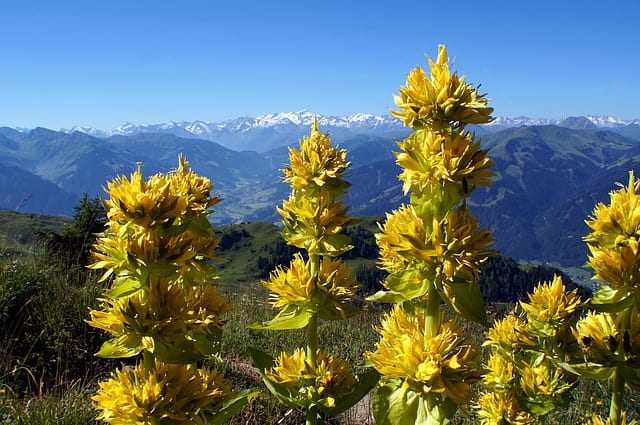
Gentian Root Bitters — The Alpine Herb at the Heart of Hildegard’s Medicine
Of all the bitter herbs in the European herbal tradition, gentian root stands apart. Its active compound, amarogentin, is among the most intensely bitter substances found in nature — detectable in dilutions as weak as one part per fifty thousand. A single root can be tasted in a swimming pool’s worth of water. Hildegard von…
Herbal Digestive Bitters — Five Bitter Plants Hildegard von Bingen Knew by Heart
Not all bitters are created equal. Herbal digestive bitters — made from whole plants rather than isolated compounds or artificial flavors — have a complexity and gentleness that synthetic alternatives cannot replicate. They work with the body’s own signaling systems, using the same botanical chemistry that European healers, monks, and apothecaries relied on for centuries….
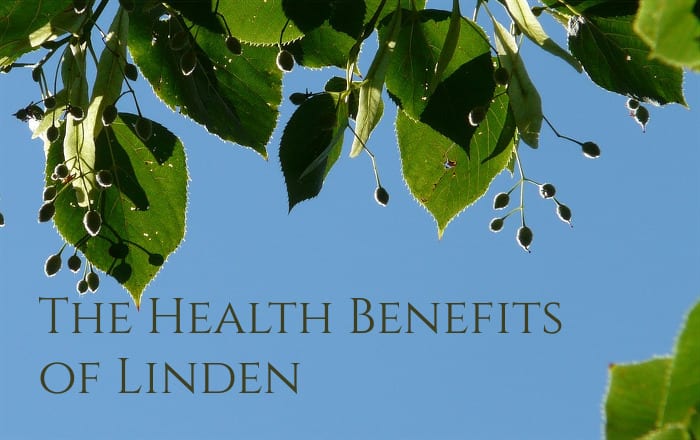
Linden tea benefits and the healing power of linden
The Linden tree (Tilia cordite Mill. and Tilia platyphyllos Scop.) represents love, harmony, vitality and security. Its heart-shaped leaves bring meaning to the symbolism. In ancient Greece, the Linden tree was considered a symbol of healers. Today healers on the island of Crete, recognize linden blossoms and linden tea benefits among their oldest known remedies….
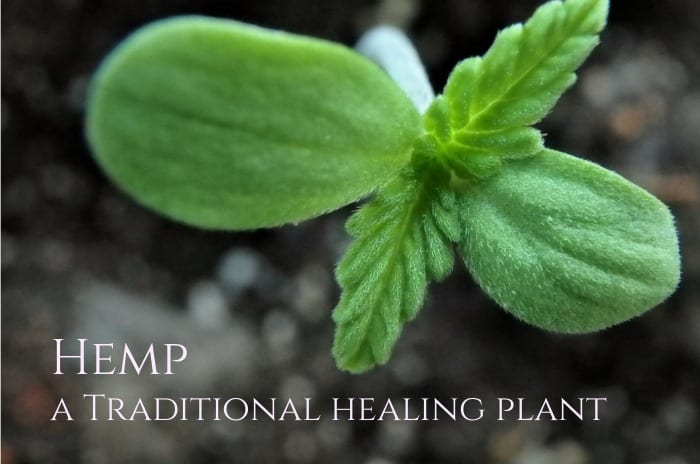
Hemp (seeds), a Culinary and Medicinal Plant According to Hildegard
As the decriminalization of cannabis spreads throughout the United States, more sophisticated scientific resources reveal the many health benefits of hemp and hemp seeds. A longstanding prohibition against industrial or medical use of cannabis contributes to an illusion that we’re just beginning to discover the healing properties of hemp. In fact, Hildegard of Bingen…